






















Interfacility transfer
Bed-to-bed movement of critical patients between hospitals — from community EDs to tertiary and quaternary care. We coordinate directly with sending and receiving teams so the handoff is clinical, not logistical.

Air interfacility transport — 24/7/365
AIT Ambulance flies interfacility transfers and emergency scene response for hospitals and EMS agencies across New Mexico, Arizona, Utah, and Colorado. ICU-configured aircraft, critical care flight teams, wheels up in under fifteen minutes.
What we fly
Bed-to-bed movement of critical patients between hospitals — from community EDs to tertiary and quaternary care. We coordinate directly with sending and receiving teams so the handoff is clinical, not logistical.
Rapid launch to trauma scenes at the request of EMS and fire command. Our crews integrate with ground incident command and deliver patients to the right trauma center the first time.
NICU, pediatric, ECMO, and organ procurement teams flown with their equipment, on their schedule. When the specialists have to move, we are the fastest corridor between facilities.
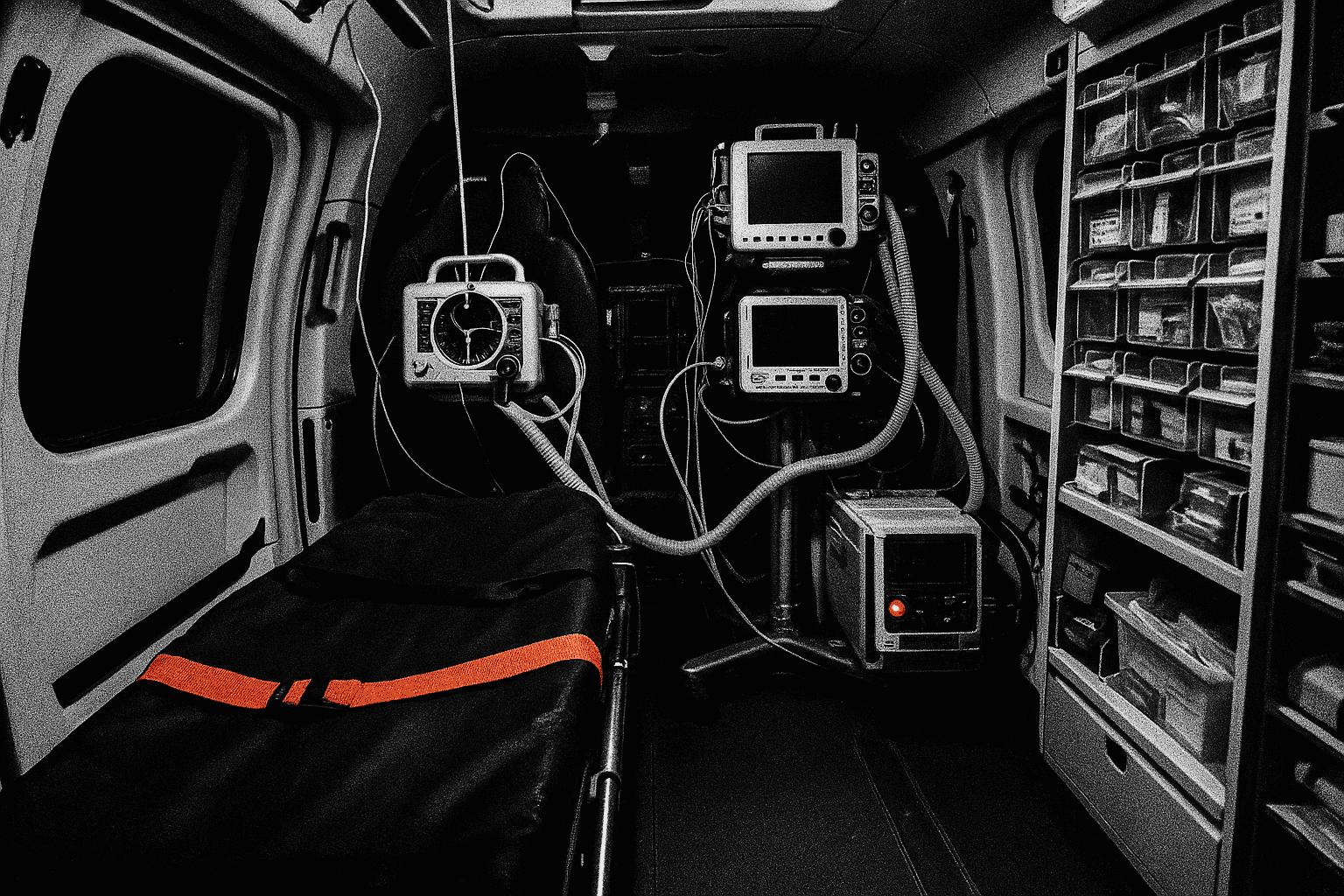
The aircraft
Every AIT Ambulance aircraft is configured as a critical care environment: ventilator, IABP and ECMO capability, full monitoring, blood on board, and a cabin layout designed for in-flight intervention. Each mission is crewed by a critical care flight nurse and flight paramedic — physician-augmented when acuity demands it.
How transport works
One number, answered by a communication specialist — not a menu. Give us the sending facility, receiving facility, and patient acuity.
Flight acceptance, weather check, and crew briefing run in parallel. Average wheels-up is under fifteen minutes from acceptance.
Our team assumes care at the sending bedside and hands off directly to the receiving clinicians. You get a full report and ETA updates throughout.
Our dispatch center answers around the clock. For transfer agreements, credentialing packets, or service-area questions, our clinical services team responds within one business day.